Artist residencies represent transformative opportunities that have shaped creative practices for centuries, dating back to the 16th century when institutions like the Accademia del Disegno first emerged in Florence. Today, an estimated 500 artist communities in the United States provide approximately $40 million in support to artists annually, with over 1,500 programs operating worldwide. These immersive experiences offer dedicated time, space, and resources that fundamentally alter how artists approach their work, develop their skills, and advance their professional trajectories.
Understanding the Foundation of Artist Residencies
Artist residencies provide opportunities by enabling guest artists to work in new environments, often away from restrictions and pressures of everyday lives. These programs vary significantly in structure, duration, and focus, ranging from intensive two-week experiences to comprehensive multi-year fellowships. The diversity of offerings reflects the multifaceted nature of artistic development, with some programs emphasizing technical skill advancement while others prioritize conceptual exploration and community engagement.
Historical Evolution and Modern Significance
The concept of artist residencies traces its roots to 1563 when Duke Cosimo Medici and painter Giorgio Vasari co-founded the Accademia del Disegno, considered the first academy of arts and the first institution promoting the idea that artists may benefit from a localized site dedicated to advancing their practice. This historical foundation established principles that remain relevant today—the recognition that artists require dedicated spaces and supportive communities to push creative boundaries.
Modern residencies expanded significantly during the 1960s and 1970s, coinciding with government changes in arts policy framework and a shifting preference towards community arts. This evolution transformed residencies from exclusive academic institutions into accessible programs serving diverse artistic disciplines and career stages.
Types and Structures of Contemporary Residencies
| Residency Type | Duration | Primary Focus | Ideal For |
|---|---|---|---|
| Production-Focused | 2-12 weeks | Creating new body of work | Artists with specific project goals |
| Research-Based | 3-6 months | Exploration and experimentation | Artists developing new concepts |
| Interdisciplinary | 1-3 months | Cross-pollination between disciplines | Collaborative practitioners |
| Community-Engaged | Variable | Public interaction and social practice | Socially-conscious artists |
| Long-Term Fellowships | 1-2 years | Comprehensive skill development | Emerging to mid-career artists |
Contemporary programs demonstrate remarkable variety in their approaches. Some residencies are highly structured with scheduled workshops and critiques, while others provide little more than a room and time to create. This spectrum allows artists to select experiences aligned with their working preferences and developmental needs. Some programs offer state-of-the-art technical facilities, while others emphasize conceptual development through mentorship and peer dialogue.
Creative Development Through Immersive Experiences
The transformative power of artist residencies lies in their ability to create conditions for breakthrough creative work. By removing daily distractions and providing focused time, residencies enable artists to engage deeply with their practice in ways that typical studio routines cannot accommodate.
Dedicated Time and Mental Space
Residencies provide artists with opportunities to focus solely on their art without distractions of their usual environment, helping artists develop skills and create bodies of work they may not have been able to produce otherwise. This uninterrupted time allows for sustained concentration on complex projects, experimentation with risky concepts, and the mental spaciousness required for genuine innovation.
The psychological impact of this dedicated time extends beyond productivity. Artists report experiencing renewed clarity about their artistic direction, deeper understanding of their motivations, and increased confidence in taking creative risks. The permission to focus exclusively on creative work, free from competing obligations, often leads to revelations about practice that persist long after the residency concludes.
Environmental Influence on Artistic Vision
Exposure to new cultures, communities, and landscapes can profoundly influence an artist’s conceptual framework and outputs, invigorating their palette and directing their work towards previously unexplored subjects and styles. Geographic relocation, whether to rural wilderness or urban cultural centers, provides fresh sensory experiences that stimulate creative thinking.
The environment shapes not only subject matter but also working methodologies. Artists working in remote locations often develop more introspective practices, while those in urban residencies may gravitate toward socially-engaged work. Natural landscapes inspire considerations of scale, temporality, and ecological awareness, while cultural immersion in unfamiliar communities challenges assumptions and broadens perspectives.
Professional Advancement and Network Building
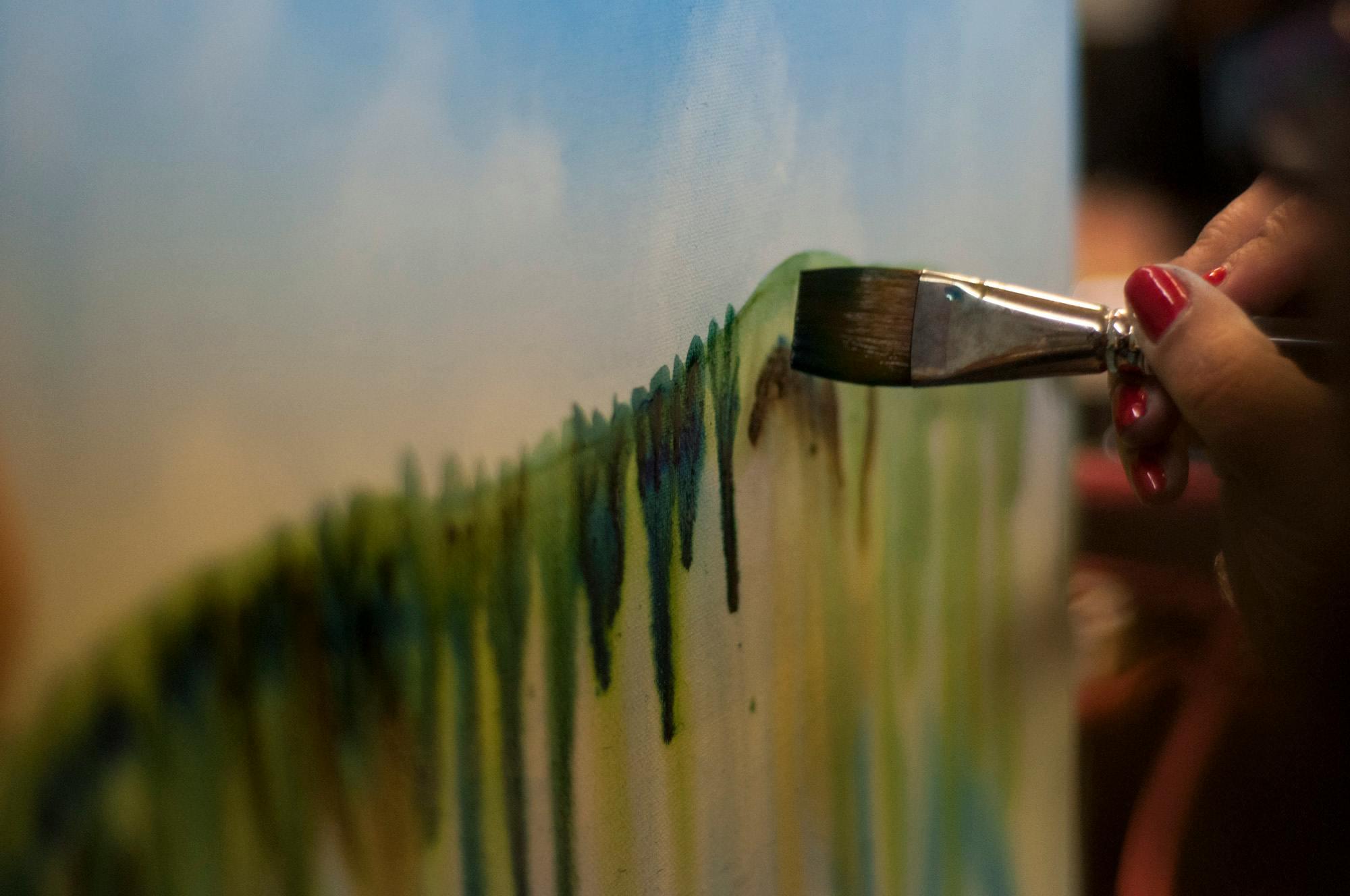
Beyond creative development, residencies serve as strategic career accelerators, providing access to professional networks, institutional support, and visibility within the art world. These connections often prove as valuable as the artwork produced during the residency itself.
Strategic Networking Opportunities
Residencies strategically scaffold professional acceleration by providing access to networks of practitioners, curators, critics, and academics who can open doors to further opportunities. The concentrated presence of art world professionals creates natural opportunities for meaningful connections that might take years to develop through conventional networking.
- Curator relationships that lead to future exhibition opportunities
- Peer collaborations resulting in joint projects and mutual support systems
- Mentorship connections providing guidance on career navigation
- Critical dialogue with academics and writers enhancing conceptual rigor
- Institutional partnerships creating pathways to teaching or commissioned work
These relationships extend far beyond the residency duration. Many successful artists attribute career-defining opportunities to connections made during residency experiences, highlighting the long-term professional value of these programs.
Visibility and Career Validation
Participation in prestigious residencies carries significant professional credibility. Inclusion in competitive programs signals to galleries, curators, and collectors that an artist has achieved recognition from established institutions. This validation can open doors to representation, exhibition opportunities, and grant funding that might otherwise remain inaccessible.
Positive acclaim in these circles validates an artist’s path and amplifies their standing in the wider art community. The residency experience becomes part of an artist’s professional narrative, appearing in biographical statements, artist talks, and promotional materials as evidence of serious commitment to practice.
Skills Development and Technical Experimentation
Many residencies provide access to specialized equipment, facilities, and expertise that enable artists to explore techniques beyond their usual capabilities. This technical expansion often leads to significant evolution in artistic practice and opens new creative directions.
Access to Advanced Resources
| Resource Type | Creative Applications | Long-Term Impact |
|---|---|---|
| Printmaking Studios | Exploring editions, scale variations | New revenue streams through prints |
| Ceramics Facilities | Three-dimensional experimentation | Expansion into sculptural work |
| Digital Labs | Video editing, sound design, coding | Integration of new media elements |
| Wood/Metal Shops | Fabrication of large-scale works | Confidence with industrial processes |
| Photography Darkrooms | Traditional processes, alternative techniques | Historical method understanding |
According to Creative Capital, artists who participate in residencies with specialized facilities report that technical skill acquisition fundamentally changes their subsequent work. The ability to experiment with unfamiliar processes without financial investment removes barriers to exploration, encouraging artists to incorporate new techniques into their ongoing practice.
Interdisciplinary Cross-Pollination
Working around others with very different backgrounds can inspire creative breakthroughs, with artists’ approaches influencing work across disciplines. Residencies that bring together practitioners from various fields—visual artists, writers, composers, scientists, and technologists—create fertile ground for unexpected innovations.
These interdisciplinary exchanges challenge artists to articulate their work to audiences unfamiliar with their discipline, refining conceptual clarity and communication skills. Exposure to methodologies from other fields often introduces new problem-solving approaches that artists adapt to their own practice.
Community Engagement and Social Impact
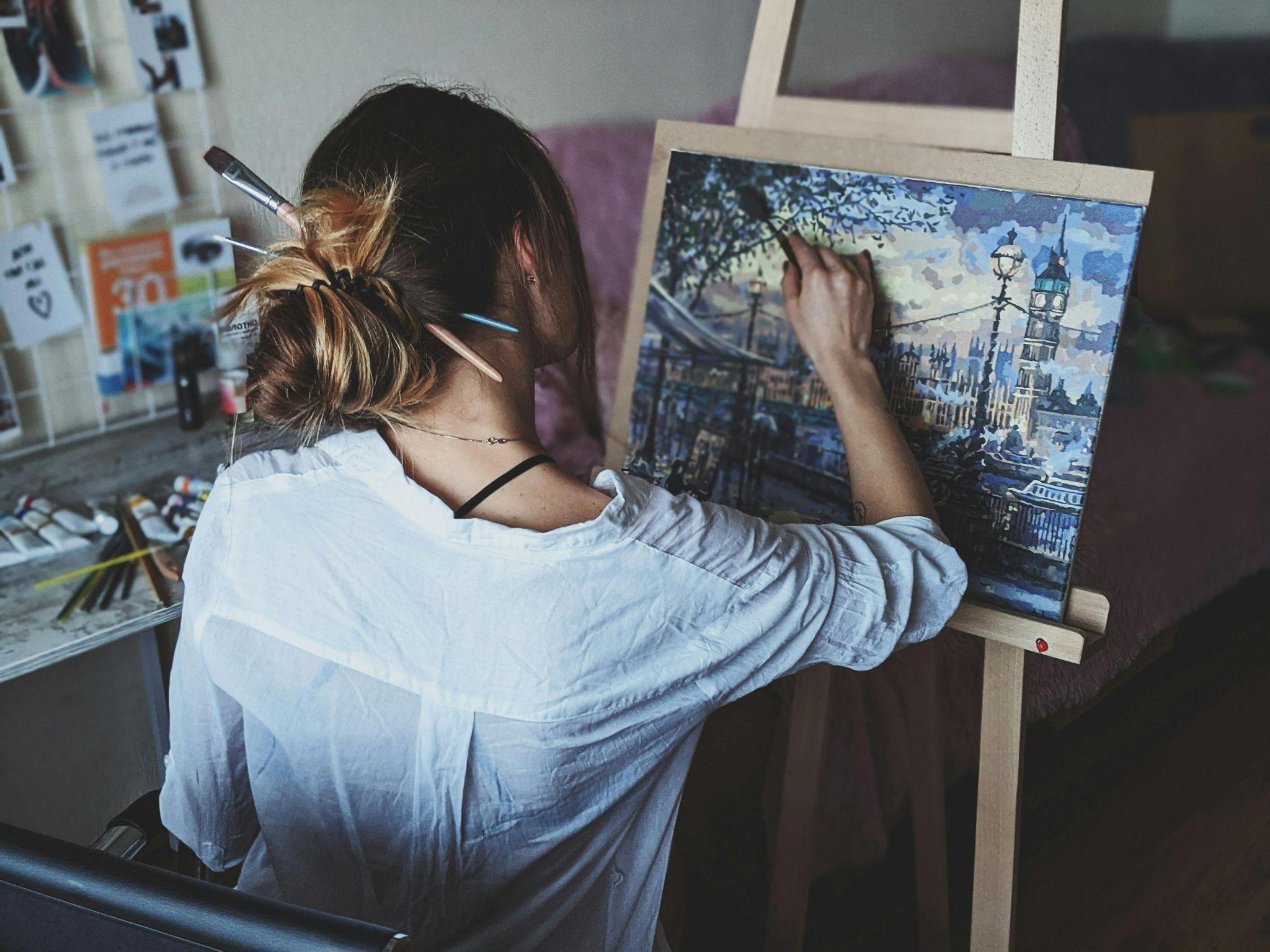
Modern residencies increasingly emphasize community interaction, recognizing that artistic practice gains depth through meaningful engagement with local populations. This social dimension adds layers of purpose and accountability to creative work while benefiting host communities.
Benefits to Host Communities
Research on the Artists in Architecture residency in Praiano, Italy, found that residents expressed higher feelings of propensity to art, custody, social cohesion, and creativity in interviews conducted six months after completion. This demonstrates that residencies create reciprocal value—artists gain from new environments while communities benefit from cultural enrichment and creative inspiration.
The community impact extends through multiple channels including public exhibitions, workshops, collaborative projects with local organizations, and informal cultural exchange. These interactions often challenge preconceptions on both sides, with artists gaining insights from community members while residents experience contemporary creative practice firsthand.
Public Programming and Educational Components
Many residencies require or encourage residents to contribute through:
- Open studio events allowing public insight into creative processes
- Artist talks sharing conceptual frameworks and career journeys
- Workshops teaching techniques to community members
- Collaborative projects addressing local issues or histories
- School partnerships introducing young people to contemporary art
These public-facing activities develop artists’ communication and teaching skills while building audiences for their work. The requirement to articulate practice to diverse audiences strengthens conceptual clarity and makes artistic work more accessible.
Personal Growth and Artistic Identity
Beyond professional and technical development, residencies catalyze profound personal transformation. The combination of focused time, new environment, supportive community, and freedom from routine responsibilities creates conditions for significant self-discovery.
Introspection and Artistic Clarity
The introspective and collaborative environment of a residency fosters personal and artistic development, with scheduled critiques and informal chats with peers or mentors helping artists refine their skills, focus their thematic interests, and confidently experiment with new project directions. This period of reflection allows artists to evaluate their trajectory, reconsider assumptions, and make intentional choices about future direction.
Many artists describe residencies as periods of creative reckoning—moments when they confront fundamental questions about their practice, motivations, and goals. The distance from familiar environments and support systems paradoxically creates space for authentic self-assessment without the weight of external expectations.
Confidence Through Experimentation
The residency environment explicitly encourages risk-taking and experimentation without commercial pressures or judgment. Artists return from residencies feeling rejuvenated and inspired, with renewed sense of purpose and direction. This restored confidence often manifests as willingness to pursue ambitious projects, apply for competitive opportunities, or make significant changes in artistic direction.
The validation of having dedicated time and resources specifically for one’s work—particularly in competitive residencies—reinforces artists’ sense of legitimacy and commitment. This psychological shift often proves as valuable as any tangible outcome produced during the residency.
Maximizing the Residency Experience
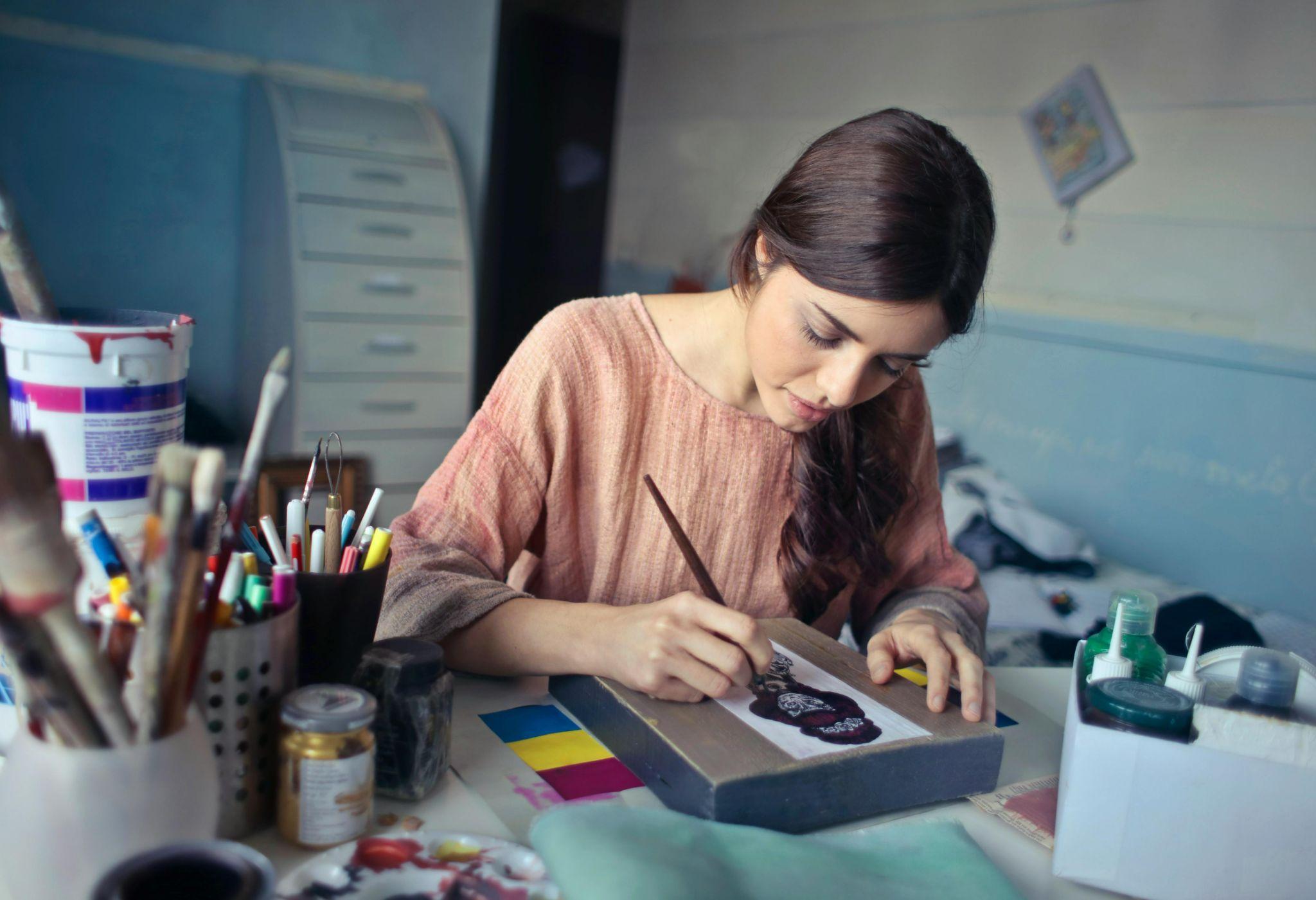
Successfully navigating a residency requires both practical preparation and openness to unexpected opportunities. Artists who approach residencies with clear intentions while remaining flexible to emergent possibilities tend to derive maximum benefit.
Preparation Strategies
Effective residency participation begins before arrival:
- Research the environment including cultural context, climate, available facilities
- Define flexible goals specific enough to guide work but adaptable to inspiration
- Pack strategically balancing essential materials with openness to local resources
- Prepare mentally for both focused work periods and inevitable adjustment time
- Plan community engagement considering how to meaningfully interact with context
While applications may request explicit proposals outlining intended work, that intentionality can change shapes and bear no resemblance to the project description. The initial plan serves as foundation rather than constraint, providing direction while allowing responsiveness to discoveries made during the residency.
Balancing Work and Exploration
Residency representatives suggest taking time to explore surroundings without feeling pressure, allowing unique landscapes to sink in and form connections with space and new surroundings. This balance between productive studio time and environmental absorption creates richer work informed by genuine engagement with place.
Conclusion
Artist residencies fundamentally reshape creative trajectories through their unique combination of dedicated time, supportive environments, professional networks, and opportunities for experimentation. The impact extends across multiple dimensions—technical skills expand, professional connections multiply, conceptual clarity deepens, and personal confidence strengthens. Whether lasting weeks or years, these immersive experiences provide concentrated periods of growth that accelerate artistic development in ways that typical working conditions cannot replicate. For artists at any career stage, residencies offer transformative opportunities to step outside routine patterns, challenge assumptions, and discover new creative possibilities. The investment of time and energy required to participate yields returns that compound throughout an artist’s subsequent career, making residencies essential components of serious artistic practice in the contemporary landscape.