The role of galleries in nurturing emerging artists has never been more consequential. In an art world saturated with talent but short on opportunity, galleries serve as the critical bridge between raw creative potential and sustainable professional careers. They validate, amplify, and shape the trajectories of artists who are just beginning to find their voice. From providing coveted wall space to offering mentorship rooted in decades of market experience, galleries are not passive exhibition venues — they are active incubators of artistic identity. This article explores the multifaceted ways galleries invest in early-career artists, from visibility and professional development to financial support and long-term career advancement.
How Galleries Provide Essential Visibility and Exposure
For an emerging artist, visibility is everything. Without exposure, even the most technically brilliant work risks remaining unseen. Galleries act as powerful amplifiers, placing artists in front of collectors, curators, critics, and the broader public. The types of exposure galleries offer span both physical and digital realms:
- Physical exhibitions in dedicated gallery spaces with curated lighting and presentation
- Art fairs such as Frieze, Art Basel, and NADA, where emerging talent is placed alongside established names
- Online galleries and digital storefronts that attract global buyers
- Press outreach to art publications, critics, and media outlets
Curated Exhibitions and Showcases
Curated shows are among the most powerful tools a gallery deploys on behalf of emerging artists. When a respected gallery places an artist in a thoughtfully assembled exhibition, it sends a signal of credibility to the entire art ecosystem. These shows come in several formats, each serving a different strategic purpose:
- Solo exhibitions — offering deep, immersive engagement with a single artist’s practice
- Group shows — positioning an emerging artist alongside peers to build comparative recognition
- Pop-up exhibitions — generating buzz in unconventional spaces and attracting new demographics
- Thematic showcases — aligning an artist’s work with cultural conversations that attract critic attention
Each format introduces the artist to a different segment of the market, building a cumulative reputation that opens further doors.
Online and Virtual Exhibition Opportunities
The digital transformation of the art world has expanded what galleries can offer dramatically. Virtual tours, online viewing rooms, Instagram campaigns, and partnerships with platforms like Artsy or Saatchi Art allow galleries to amplify an artist’s reach far beyond a physical space. A single well-executed online showcase can attract collectors from Tokyo, London, or São Paulo in the same week. Galleries now routinely use social media storytelling — behind-the-scenes studio visits, artist interviews, and process videos — to build narrative and emotional connection with global audiences.
Mentorship, Professional Development, and Resources
Beyond visibility, galleries invest deeply in the professional formation of emerging artists. The relationship between a gallery and its represented artists is often as much about education as it is about commerce. Professional development components typically include:
- Portfolio review and refinement with experienced curators
- Guidance on developing a coherent, marketable artistic identity
- Workshops on pricing, contracts, and intellectual property
- Introduction to grant applications and residency programs
- Media training and artist statement development
Curatorial Guidance and Artistic Growth
A gallery’s curatorial team brings an invaluable outside perspective to an artist’s practice. Through regular studio visits, written feedback, and ongoing dialogue, curators help artists identify recurring themes, strengthen conceptual clarity, and position their work within broader art historical and market contexts. This guidance can be the difference between a fragmented body of work and a compelling, cohesive artistic vision that resonates with collectors and institutions alike.
Workshops, Talks, and Skill-Building Programs
Many galleries now host educational programming that goes well beyond art-making. Seminars on pricing strategies, branding for artists, social media management, and navigating the commercial gallery system empower artists with the business acumen to sustain long careers. Artist talks — both in-person and streamed online — also build public profiles and deepen collector relationships, turning an exhibition opening into a career milestone rather than a one-night event.
Sales, Representation, and Financial Support
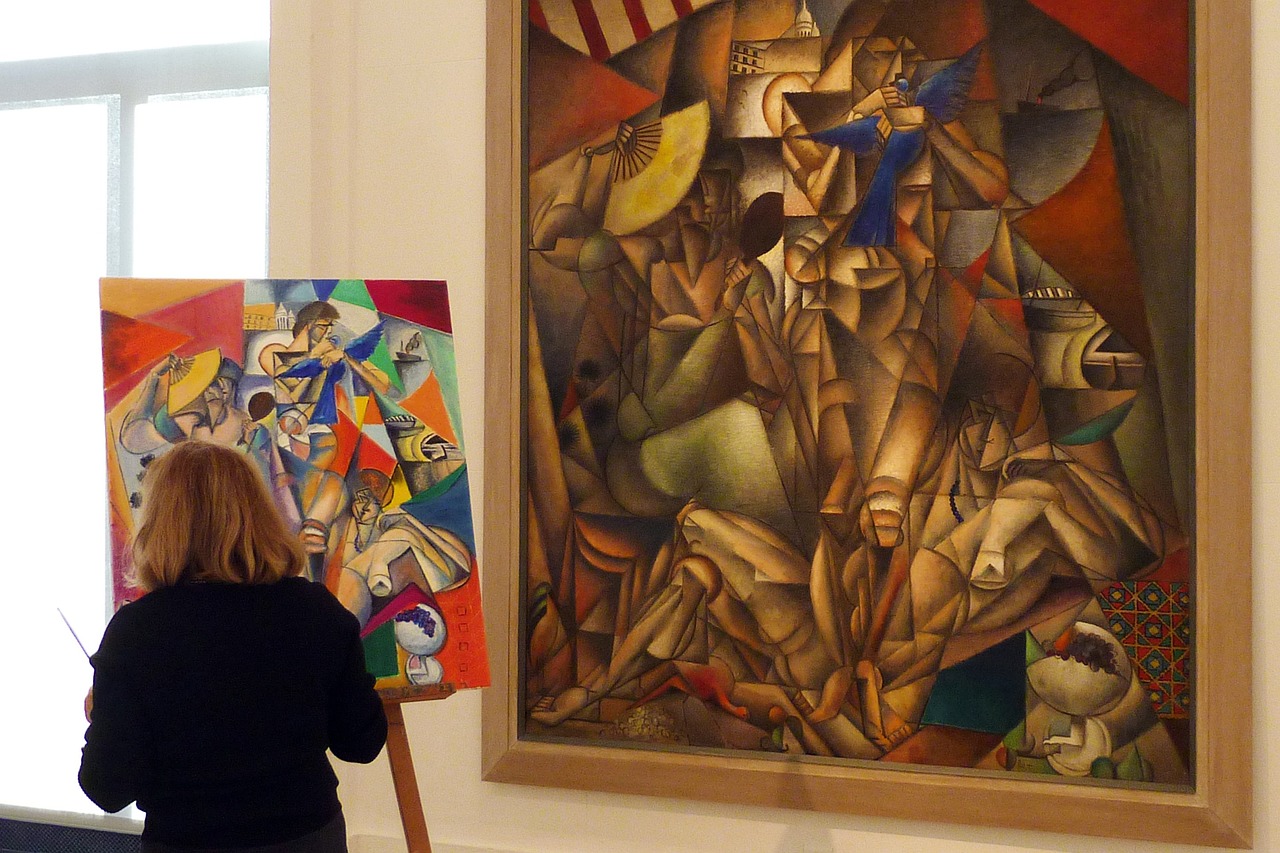
Financial sustainability is one of the most persistent challenges facing emerging artists. Galleries address this directly through representation and targeted economic support. Types of financial and commercial support galleries provide include:
- Direct sales through exhibitions, fairs, and online platforms
- Commission-based representation that aligns gallery incentives with artist success
- Consignment agreements that reduce financial risk for the artist
- Access to grants, residencies, and institutional funding
Representation, Pricing Guidance, and Credibility
When a reputable gallery formally represents an emerging artist, it immediately elevates the artist’s perceived market value. Galleries act as trusted intermediaries between artists and buyers, negotiating fair prices, managing editions, and ensuring that primary market pricing is set strategically to support long-term value growth. Collectors trust gallery-represented artists more, knowing that the gallery has done the vetting. This credibility accelerates sales and attracts institutional interest.
Residencies, Grants, and Funding Initiatives
Beyond direct sales, galleries increasingly facilitate access to broader financial ecosystems. This includes nominating artists for prestigious residency programs, connecting them with foundation grants, and organizing charity auctions where proceeds support studio costs or new productions. Some galleries have even established their own artist funds to provide direct financial support during critical periods of production.
Networking, Community, and Industry Connections
Art careers are built as much on relationships as on talent. Galleries sit at the center of a rich web of industry connections that emerging artists would otherwise struggle to access. Key networking benefits include:
- Introductions to private collectors and corporate art buyers
- Connections with museum curators and acquisition committees
- Relationships with art critics and cultural journalists
- Access to international gallery networks and fair circuits
Building Collector and Curator Relationships
A gallery’s existing collector base is one of its most valuable assets for emerging artists. Warm introductions to serious collectors — particularly those known to champion early-career work — can generate both immediate sales and long-term patronage. Similarly, gallery connections with institutional curators can lead to museum acquisitions, survey shows, and the kind of critical recognition that permanently alters an artist’s market standing. As noted in coverage of emerging artist support, institutional relationships brokered by galleries are among the most enduring career accelerants available.
Collaborative Projects and Community Engagement
Group exhibitions, panel discussions, open studio events, and local community partnerships create ecosystems of mutual support. Collaborative projects allow emerging artists to diversify their audience, learn from peers, and develop reputations within specific artistic communities. Community engagement initiatives — particularly those that bring art into schools, public spaces, or underserved neighborhoods — also attract positive press attention and build a gallery’s (and artist’s) public identity.
Galleries as Catalysts for Career Advancement
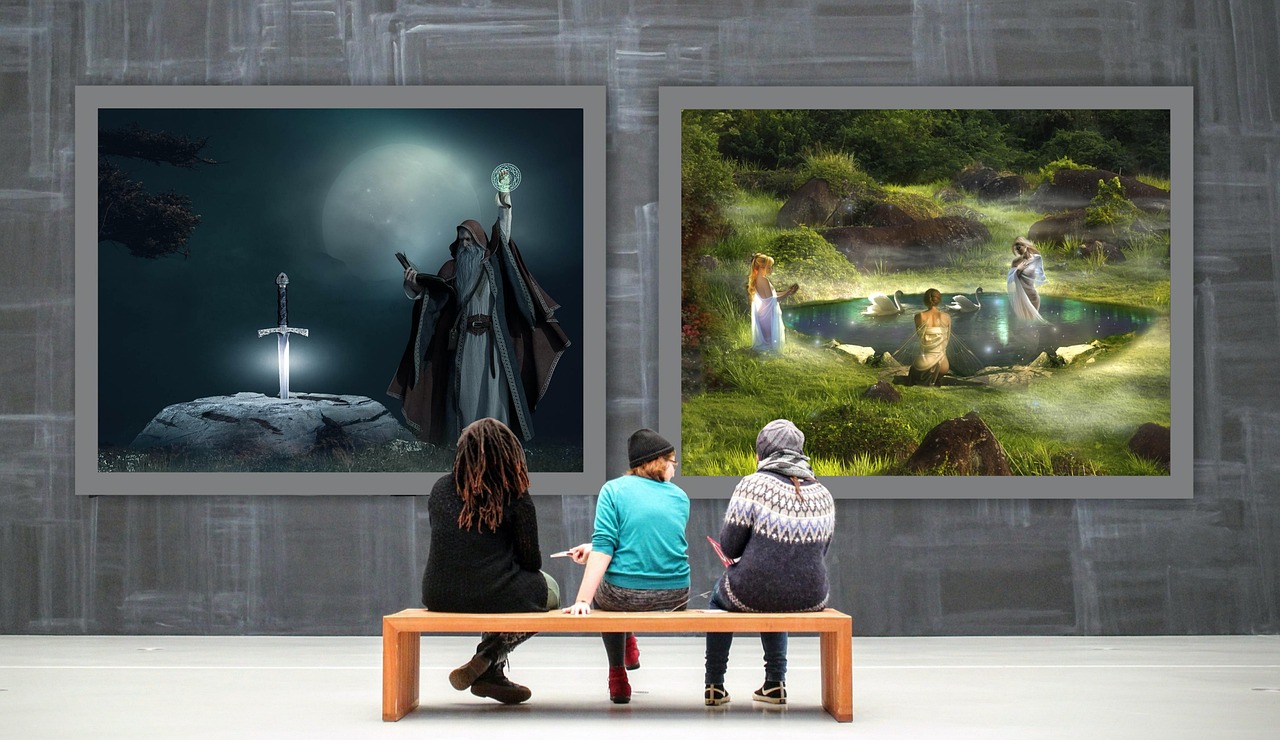
The most transformative galleries think about their artists not just in terms of individual exhibitions but across entire careers. Their support creates both immediate wins and long-term structural advantages.
| Benefit Type | Short-Term Impact | Long-Term Impact |
|---|---|---|
| Visibility | Exhibition attendance and press coverage | Sustained public profile and brand recognition |
| Sales | Immediate revenue from primary market sales | Rising secondary market values and auction presence |
| Mentorship | Refined portfolio and sharper artistic identity | Cohesive body of work that attracts institutional interest |
| Networking | New collector introductions and peer connections | Museum acquisitions and long-term patronage relationships |
| Credibility | Market validation through representation | Critical recognition and inclusion in major surveys |
Institutional Recognition and Market Value
Gallery representation frequently opens the door to museum exhibitions, biennials, and permanent collection acquisitions — milestones that permanently elevate an artist’s market position. Media features in publications like Frieze, Artforum, and The Art Newspaper often follow gallery backing, creating a flywheel of recognition that compounds over time. As an artist’s auction history develops and their work enters major collections, their market value grows in ways that no solo effort could achieve.
Adapting to Digital Trends and New Media
Forward-thinking galleries actively promote artists who work in digital art, NFTs, video, and new media, ensuring their relevance across emerging collector demographics. By positioning artists within digital discourse — through partnerships with platforms, online publications, and virtual fairs — galleries expand both visibility and cultural relevance in ways that transcend geography.
Challenges and Evolving Roles of Galleries
Despite their critical importance, galleries face mounting pressures that require constant adaptation. Common challenges include:
- Rising real estate and operational costs in major art markets
- Digital disruption from direct-to-collector platforms bypassing traditional intermediaries
- Increasing competition from online marketplaces and artist-run spaces
- The pressure to balance commercial viability with genuine developmental commitment
Adaptive strategies employed by innovative galleries include hybrid physical-digital programming, subscription collector models, and revenue diversification through consulting and licensing.
Balancing Traditional and Modern Support Models
The most resilient galleries are those that honor the irreplaceable value of physical exhibitions — the sensory, communal experience of encountering art in space — while fully embracing digital amplification. Hybrid models that combine a strong physical program with robust online presence, data-driven collector outreach, and social media storytelling position both gallery and artist for relevance well into the future.
Conclusion
Galleries remain among the most powerful forces in shaping the careers of emerging artists. Through visibility, mentorship, financial support, professional development, and deep industry connections, they provide a scaffolding that transforms creative potential into lasting careers. As the art world continues to evolve — digitally, economically, and culturally — the galleries that will matter most are those that adapt their models without abandoning their core mission: to believe in artists early, invest in their growth genuinely, and bring their work to the audiences that need to see it. The gallery-artist relationship, at its best, is not transactional — it is transformational.