Exploring 3D Art in the Digital Age reveals just how dramatically technology has reshaped creative expression. What once required physical sculpting tools or hand-drawn illustrations can now be built, lit, and animated entirely within digital environments. 3D art has become a driving force across entertainment, marketing, architecture, and virtual experiences, allowing creators to construct entire worlds with remarkable depth and realism. As software becomes more powerful and accessible, artists are blending technical skill with imagination to produce visuals that feel almost tangible. This article explores the tools, techniques, and emerging trends defining modern 3D design, and why mastering this craft has never been more valuable.
The Evolution and Growing Influence of 3D Art
3D art has transformed from a specialized, niche discipline into one of the most influential creative mediums of the digital era. Improvements in processing power, software accessibility, and rendering technology have democratized 3D creation, allowing hobbyists and professionals alike to produce studio-quality work. This evolution has expanded the role of three-dimensional design well beyond its traditional roots in gaming and film.
What Is 3D Art and How Does It Differ from Traditional Digital Art?
Unlike flat, two-dimensional illustration, 3D art involves constructing objects and environments within a virtual three-dimensional space, giving them depth, volume, and realistic interaction with light. This is achieved through a combination of specialized processes:
- Modeling – building the geometric structure or shape of an object
- Texturing – applying surface details such as color, material, and roughness
- Lighting – simulating how light sources interact with surfaces
- Rendering – converting the 3D scene into a final 2D image or animation
These components work together to create the illusion of physical presence, something traditional digital art cannot replicate as convincingly.
Industries Driving the Demand for 3D Art
The demand for skilled 3D artists continues to grow as more industries recognize the value of immersive visuals. Key sectors include:
- Gaming – character design, environments, and interactive assets
- Film and animation – visual effects and fully animated features
- Advertising – product visualization and branded content
- Architecture – realistic building renderings and walkthroughs
- Product design – prototyping and marketing visuals
- Virtual reality – fully immersive simulated environments
From Static Images to Immersive Experiences
As technology has advanced, 3D art has moved beyond still renders into fully interactive, immersive media. This shift has changed how audiences engage with digital content.
| Aspect | Traditional Digital Art | Modern 3D Art Applications |
|---|---|---|
| Format | Static 2D images | Interactive 3D environments |
| Interaction | Passive viewing | Real-time user engagement |
| Use Cases | Illustration, print | Gaming, VR, virtual showrooms |
| Technology | Basic rendering | Real-time engines, AI tools |
Tools, Techniques, and Skills Behind Modern 3D Art
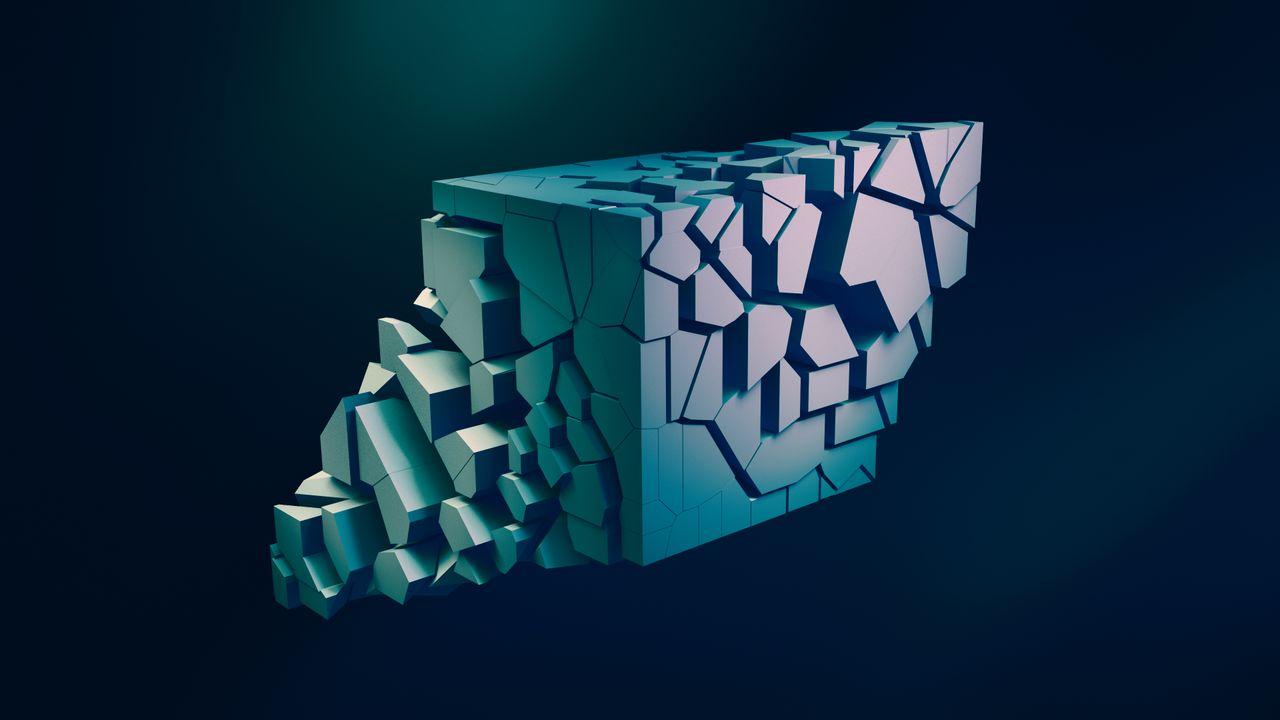
Successful 3D artists rely on a combination of technical software proficiency and creative vision. Producing compelling visuals requires understanding not just how to use a tool, but why certain artistic choices enhance realism and storytelling.
Essential Software Used by 3D Artists
A wide range of applications support different stages of the 3D pipeline:
- Blender – versatile, open-source modeling and rendering
- ZBrush – advanced digital sculpting for organic detail
- Autodesk Maya – industry-standard animation and rigging
- Cinema 4D – motion graphics and design-focused rendering
- Substance Painter – professional-grade texturing
Key Techniques Every 3D Artist Should Understand
Mastering 3D art requires familiarity with a structured workflow. A typical project progresses through these stages:
- Concept development and reference gathering
- Modeling the base geometry
- UV mapping to prepare for texturing
- Applying textures and materials
- Lighting the scene
- Rigging for animation (if applicable)
- Rendering the final output
Skills Needed to Succeed in 3D Design
Beyond software knowledge, artistic fundamentals play a critical role in producing high-quality work.
| Skill | Role in the Creative Process |
|---|---|
| Composition | Guides viewer focus and visual balance |
| Color theory | Establishes mood and realism |
| Anatomy/structure | Ensures believable forms |
| Technical troubleshooting | Solves rendering and workflow issues |
| Storytelling | Adds emotional depth to visuals |
For artists looking to strengthen foundational design knowledge, resources like the Khan Academy art history and design courses offer valuable grounding in composition and visual theory.
Emerging Trends Shaping 3D Art in the Digital Age
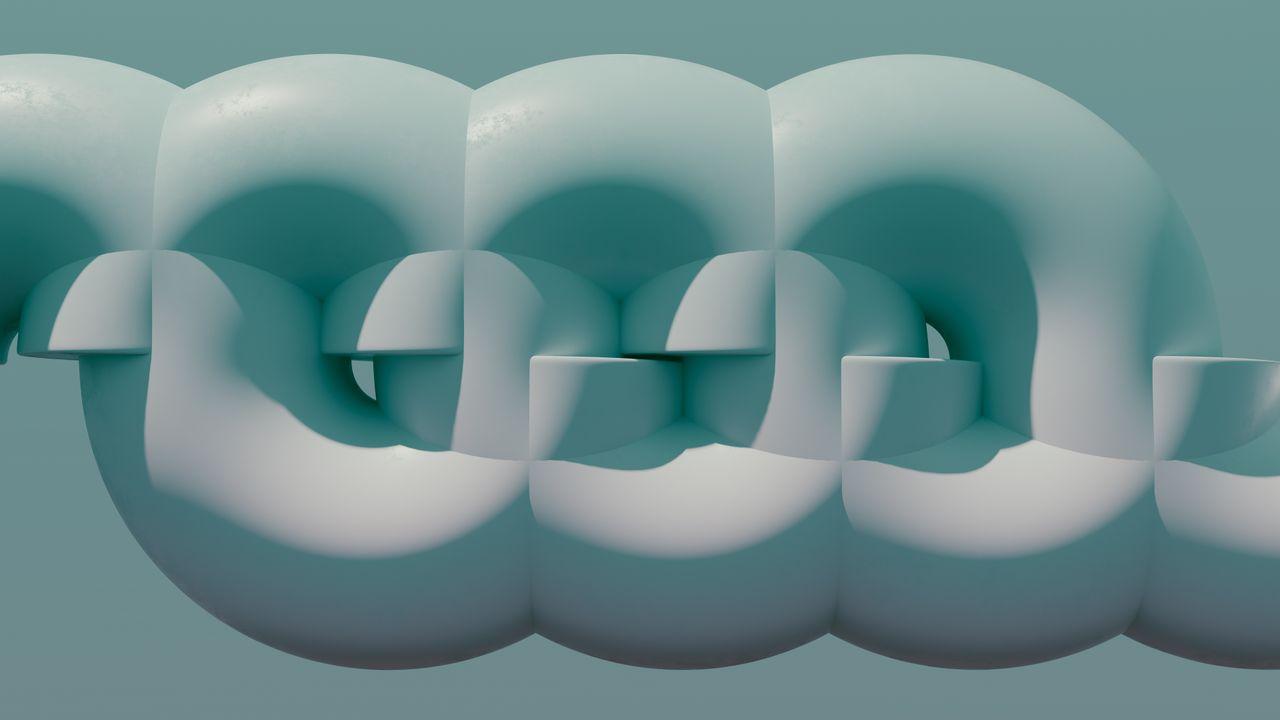
Innovation continues to redefine what’s possible in 3D design, pushing the boundaries of realism, accessibility, and interactivity.
Real-Time Rendering, Virtual Reality, and Interactive Experiences
Real-time technology has dramatically reduced rendering wait times while enabling fully interactive experiences. Influential technologies include:
- Real-time rendering engines like Unreal Engine and Unity
- Virtual reality headsets and immersive simulation platforms
- Augmented reality overlays for retail and marketing
- Cloud-based rendering for faster, scalable production
Artificial Intelligence and New Creative Possibilities
AI is reshaping how artists approach repetitive or complex tasks, freeing up time for creative decision-making. Common integrations include:
- AI-assisted texture generation
- Automated retopology and model optimization
- AI-powered concept art generation
- Motion capture refinement using machine learning
- Predictive rendering optimization
The Role of 3D Art in the Metaverse and Digital Commerce
Virtual goods, branded digital spaces, and immersive shopping experiences are expanding rapidly, creating new economic opportunities for 3D artists.
| Application | Growth Potential |
|---|---|
| Virtual fashion and avatars | High |
| Digital real estate | Moderate to high |
| Branded virtual showrooms | High |
| NFT and digital collectibles | Moderate |
Conclusion
Exploring 3D Art in the Digital Age makes clear that this creative discipline is no longer confined to entertainment alone. From architecture and advertising to virtual commerce and education, 3D art continues to expand its influence across nearly every digital industry. As tools become more intelligent and immersive technologies more accessible, the artists who thrive will be those who combine strong creative instincts with technical adaptability. Mastering both the artistry and the technology behind 3D design isn’t just an advantage—it’s quickly becoming essential for anyone looking to shape the future of digital creativity.